
Have you ever wondered why some people seem to effortlessly maintain their weight while others battle constant hunger and energy slumps, despite eating “healthy”?
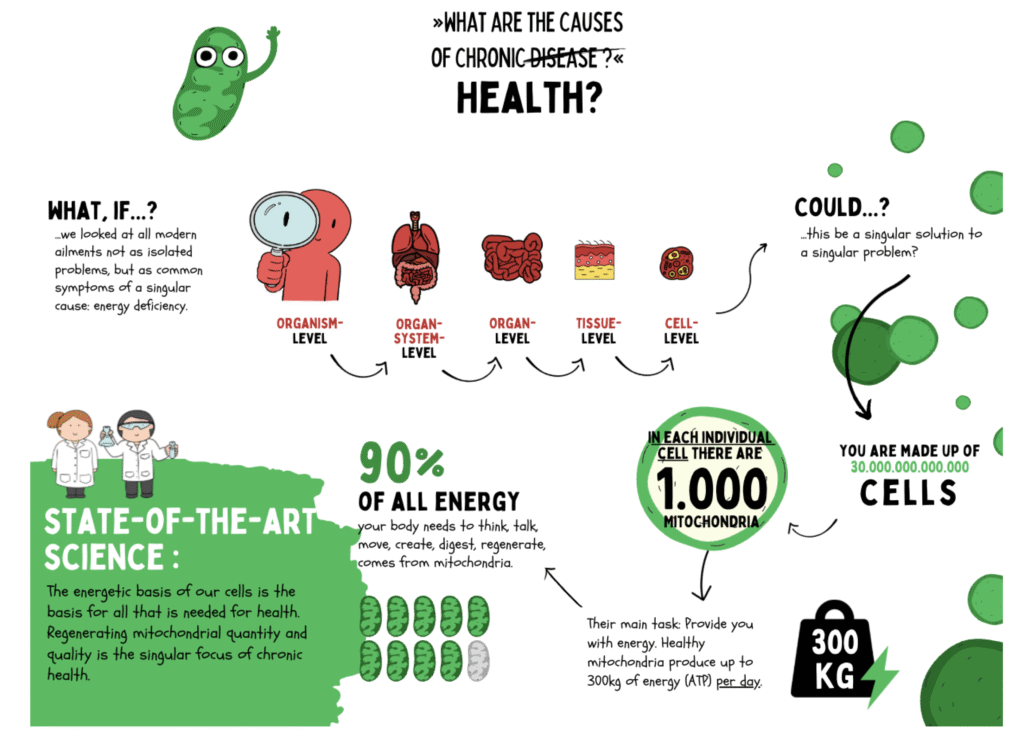
Regenerative Medicine: A System for Chronic Health[v1] | Preprints.org
Picture this: a busy professional in her 40s, juggling work and family, notices her metabolism slowing, stubborn fat accumulating around her midsection, and fatigue setting in—no matter how many diets she tries. This isn’t just about willpower; it’s often tied to a misunderstood hormone called leptin—the body’s natural “satiety signal” that may be quietly sabotaging her energy, weight, and vitality.
In this comprehensive guide, we’ll explore leptin’s pivotal roles in cellular health, including how it affects cell membrane function, mitochondrial energy production, and overall metabolic harmony. You’ll learn why resistance to this hormone is more than a “brain issue” and how restoring leptin sensitivity at the cellular level is a game-changer.
But here’s the radical insight: While conventional medicine often seeks to bypass the body with synthetic supplements or injections, pioneers in cellular medicine like Dr. Daniel Pompa and Dr. Justine Stager show that natural healing begins at the cell membrane and mitochondria. This article bridges cutting-edge science and time-tested holistic traditions to offer you practical, natural strategies for unlocking leptin’s full power.
🔎 Summary
This article explores leptin as a central regulator of cellular and metabolic health, emphasizing its non-appetite-related roles in:
- Maintaining cell membrane integrity
- Supporting mitochondrial health
- Regulating energy production at the cellular level
Drawing from conventional science, cellular medicine, Ayurveda, Traditional Chinese Medicine (TCM), and naturopathy, we synthesize ancient principles with modern biology. You’ll find actionable insights based on the latest research and protocols from Dr. Pompa and Dr. Stager, who emphasize that healing begins at the membrane level. This article provides natural protocols for restoring leptin sensitivity and reclaiming energy, weight balance, and wellness.
📚 Introduction to the Topic (Background)
Leptin, discovered in 1994 by Jeffrey Friedman and colleagues, revolutionized the understanding of body fat regulation and appetite control. However, modern researchers—and practitioners like Dr. Pompa and Dr. Justine Stager—now recognize leptin’s greater biological scope: from hormonal signaling to mitochondrial function and cellular membrane integrity.
Integrating Traditional Systems:
- Ayurveda: Leptin’s function aligns with ojas (vitality) and agni (metabolic fire). Dysregulated leptin mirrors kapha imbalance, leading to weight retention and sluggish metabolism.
- Traditional Chinese Medicine: Leptin reflects imbalances in qi and spleen function, influencing energy flow and fat metabolism.
As obesity and chronic fatigue syndromes soar—impacting over 42% of U.S. adults—understanding leptin’s cellular role becomes not just relevant, but essential.
🧬 Definitions of Key Terms
| Term | Definition |
|---|---|
| Leptin | Hormone secreted mainly by adipose tissue that communicates energy sufficiency to the brain and peripheral cells. |
| Leptin Resistance | Condition where leptin signaling fails, despite high circulating levels—often due to membrane inflammation and mitochondrial dysfunction. |
| Cell Membrane Health | The functional integrity of the phospholipid bilayer. Membrane inflammation blocks hormone receptors, including leptin receptors. |
| Mitochondrial Health | State of cellular energy factories (mitochondria). Leptin regulates mitochondrial biogenesis and fatty-acid oxidation. |
| Energy Production | The process by which mitochondria generate ATP from nutrients. Disrupted in leptin resistance and membrane damage. |
| Sunlight Exposure | Influences hormonal balance, including leptin, via circadian regulation and vitamin D synthesis. |
🔬 Leptin’s Multifaceted Role in Cellular Health and Energy
🧩 The Missing Link: Leptin and the Cell Membrane
According to Dr. Daniel Pompa and Dr. Justine Stager, leptin resistance begins at the cellular membrane, where hormonal receptors become unresponsive due to chronic inflammation from processed foods, toxins (like BPA), and stress. This results in poor intracellular communication—even when leptin levels are high.
- Cell Membranes act like cellular “gatekeepers.” When damaged, they block leptin receptors from sending accurate signals to the brain and mitochondria.
- Phospholipid therapy, as practiced by Dr. Stager, repairs this dysfunction using natural fats like omega-3s and phosphatidylcholine.
“You don’t have a hormone problem; you have a cellular communication problem.”
— Dr. Daniel Pompa
🔋 Leptin and Mitochondrial Energy Production
Mitochondria—the body’s “power plants”—are strongly influenced by leptin. When leptin receptors are responsive:
- AMPK (AMP-activated protein kinase) is activated, which boosts fat burning, ATP generation, and mitochondrial renewal.
- Leptin shifts the body into fat oxidation mode, promoting stable energy, fat loss, and metabolic flexibility.
- Dysfunction in this signaling loop (often caused by toxins or poor sleep) reduces ATP output, increases inflammation, and worsens fatigue.
🔬 Scientific Evidence:
- Minokoshi et al. (2002): Leptin stimulates fatty acid oxidation by activating AMPK.
- Perry et al. (2015): Leptin improves mitochondrial efficiency during fasting.
- Journal of Lipid Research (2022): Damaged membranes impair hormonal receptor sensitivity.
🌿 Functional Medicine Perspective:
- True Cellular Detox™ (Dr. Pompa): Removes toxins and restores membrane function.
- Mitochondrial repair protocols: Include fasting, clean fats, and antioxidant-rich diets to restore energy and leptin sensitivity.
- Adaptogenic herbs like ashwagandha support stress reduction and mitochondrial resilience.
🧠 Summary of Cellular Benefits:
✅ Enhances membrane fluidity and hormone receptor function
✅ Supports mitochondrial integrity and fat-based energy production
✅ Optimizes cellular energy output (ATP)
✅ Reduces oxidative stress that damages metabolic signaling
Case studies from Stager’s clinic show patients reversing fatigue and stubborn weight gain using phospholipid therapy and True Cellular Detox.
⚖️ Leptin Production and Regulation in the Body
Leptin is primarily produced by white adipose tissue, signaling fullness and energy sufficiency to the brain and peripheral tissues. However, when cellular inflammation blocks leptin’s message, the body continues to store fat and experience cravings—hallmarks of leptin resistance.
Regulation factors:
- Increased by: Insulin (post-meal), inflammation, body fat
- Decreased by: Fasting, cold exposure, exercise
- Disrupted by: Cortisol, sleep deprivation, environmental toxins (e.g., BPA)
Female-Specific Note:
Women typically have higher leptin due to estrogen—explaining gender-based metabolic differences.
🧪 Leptin, Overweight, and the Supplement Dilemma
Leptin supplements often fail because:
- Leptin is a protein hormone—it cannot survive digestion.
- Supplements don’t address the cellular root cause: damaged membranes and inflamed receptor sites.
Alternatives that actually work:
- Phospholipid therapy (e.g., omega-3s, choline, krill oil)
- Intermittent fasting to reset insulin and leptin cycles
- Targeted detoxification to remove hormone-disrupting toxins
“You can’t supplement your way out of cellular dysfunction.” — Dr. Pompa
☀️ Sunlight’s Influence on Leptin and Circadian Metabolism
Sunlight plays an underrated role in regulating leptin via:
- Vitamin D production (improves metabolic signaling)
- Circadian rhythm entrainment (enhances hormonal sensitivity)
- UV exposure: May support fat browning and energy output (seen in rodent studies)
Practical Advice:
- Morning sun exposure (15–20 min) resets hormonal patterns.
- Pair with early movement and hydration for a leptin reset.
🧘♀️ Conclusion: Restore Leptin, Reclaim Your Energy
Leptin is more than a hunger hormone. It’s a cellular conductor—governing how energy is produced, fat is burned, and vitality is sustained. Yet its power is only realized when cell membranes are healthy and mitochondria are functioning. That’s where true cellular medicine begins.
🌟 Key Takeaways:
- Leptin resistance often starts at the cellular level, not just in the brain.
- Repairing cell membranes and supporting mitochondria are the foundation of weight and energy recovery.
- Dr. Pompa and Dr. Stager’s cellular medicine protocols provide natural, sustainable tools for healing.
- Prioritize sunlight, whole food fats, fasting, detox, and stress resilience over quick fixes.
Imagine a life with boundless energy, effortless metabolism, and cellular harmony—it’s not a dream, it’s cellular science.
🌱 Start your journey with our personalized natural health solutions at:
🔗 www.natoorales.com/contact
🔐 References
- Friedman, J. M. (2019). Nature Reviews Endocrinology, 15(11), 681-693.
- Minokoshi, Y., et al. (2002). Nature, 415(6869), 339-343.
- Perry, R. J., et al. (2015). Cell, 161(1), 143-153.
- Journal of Lipid Research (2022). Membrane Lipid Composition and Hormonal Sensitivity.
- Dr. Daniel Pompa: www.drpompa.com
- Dr. Justine Stager: www.drjustinestager.com
- Ondicova, K., et al. (2017). Scientific Reports, 7(1), 1–12.
- Flehmig, G., et al. (2014). PLoS One, 9(6), e99785.
Disclaimer: This content is for informational purposes only and is not medical advice. Consult your healthcare provider before starting any new health protocol.
Written by Ian Kain, Wellness Thrive Designer | www.natoorales.com | wellness@natoorales.com