
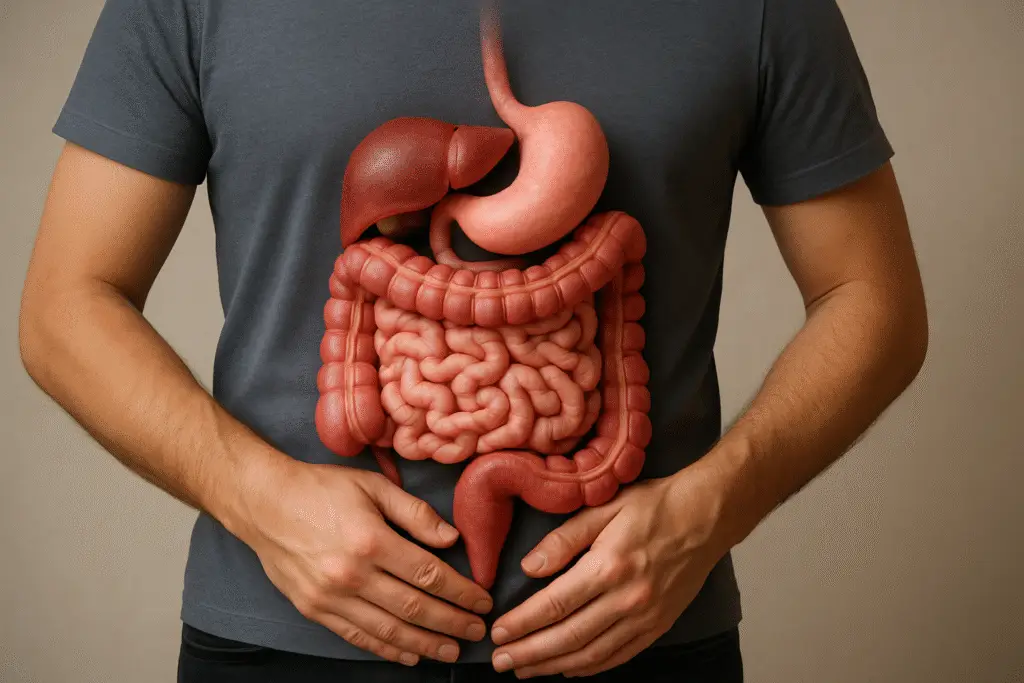
Complete Guide to Restoring Gut Health and Microbiome Balance
Have you ever eaten a “healthy” meal… and still felt bloated, heavy, foggy, or weirdly anxious afterward?
That’s the moment many people realize: gut health isn’t just about what you eat. It’s about the environment your food lands in—your stress tone, sleep rhythm, and the living ecosystem inside you.
In my work at Natoorales, I see this constantly: when the gut is off, everything feels off—energy, mood, cravings, skin, motivation, even how resilient you feel under pressure. The good news is: the gut responds beautifully to consistent inputs. Not perfect inputs—consistent ones.
Summary
Your gut microbiome (the community of microbes living in your digestive tract) helps you break down food, produce key metabolites like short-chain fatty acids (SCFAs), support barrier integrity, and communicate with your immune system and brain. SCFAs, in particular, are widely discussed for their role in immune regulation and tolerance. ([PubMed][1])
Modern life can push this ecosystem out of balance—ultra-processed foods, low fiber, chronic stress, poor sleep, alcohol, and unnecessary medication use can all shift the terrain.
This guide gives you a practical, coaching-focused plan to restore microbiome balance through food-first strategies, smart fermented foods, realistic supplement use, stress regulation, and environmental “load reduction,” including a cautious look at microplastics and gut health research. ([PubMed][2])
What “gut health” actually means in real life
In simple terms, a strong gut ecosystem tends to support:
- Smoother digestion (less bloating, more predictable stools)
- Better barrier integrity (less “reactivity” to foods over time)
- More stable energy (fewer crashes, fewer cravings)
- Clearer mood and focus (less stress sensitivity)
- More resilience (you bounce back faster after travel, late nights, or stress)
This isn’t about chasing perfection. It’s about creating the conditions where your gut can do its job.
The gut–immune–brain triangle (why mood and digestion are connected)
The gut doesn’t operate in isolation. It communicates with your brain and nervous system through multiple routes, including vagal signaling and microbial metabolites. Reviews describe how gut microbes influence neurotransmitter-related compounds (like GABA, serotonin precursors, dopamine-related pathways), and how signals travel both directions along the gut–brain axis. ([PubMed][3])
The vagus nerve is a major “two-way highway” in this conversation, linking digestion, inflammation signaling, and stress regulation. ([PubMed][4])
Coaching translation:
If your nervous system lives in “go-go-go,” digestion often becomes a secondary priority. Your gut needs safety signals to do its best work.
That’s why gut work and nervous system work belong together. If you want a simple starting point, begin with Nervous System Reset.
Signs your microbiome might be asking for support
These are not diagnoses—just common patterns I hear when the gut ecosystem is under strain:
- bloating, gas, irregular stools (constipation or loose patterns)
- cravings that feel “compulsive” (especially sugar at night)
- skin flare patterns that track stress and food
- brain fog, low motivation, or mood dips
- frequent “food sensitivity roulette”
- feeling worse after travel, antibiotics, or high-stress seasons
If these are familiar, don’t panic. Start with foundations.
Why modern life creates dysbiosis so easily
1) Ultra-processed food drift
Highly processed diets often crowd out the diversity of fibers and polyphenols that microbes thrive on—so the ecosystem narrows over time. (You don’t need fear; you need leverage.)
2) Low fiber + low diversity
A microbiome can’t build resilience on the same five foods forever. Variety matters.
3) Chronic stress chemistry
Stress changes motility, secretions, appetite cues, and the gut–brain axis. It’s not “in your head.” It’s in your wiring.
If your stress load is high, you’ll usually get better results by pairing gut work with Executive Burnout Recovery.
4) Antibiotics and common meds (when overused)
Sometimes they’re necessary. But they can also reshape microbiome balance. Use them judiciously and rebuild afterward with food-first consistency.
The foundation: what to add before what to remove
I don’t like protocols that start with “cut everything.” They often backfire.
Start by adding the inputs that create safety and diversity.
The daily gut foundation (simple and effective)
- Morning light + hydration
- Protein with your first meal
- One fiber anchor daily (beans, oats, chia, lentils, berries, veg)
- One fermented food most days (if tolerated)
- A 10-minute walk after meals
- A daily downshift (slow breathing, stretching, humming)
Food-first rebuilding: fiber, prebiotics, and SCFAs
SCFAs are often highlighted because they’re produced when microbes ferment fibers, and they’re linked to immune regulation and gut barrier support. ([PubMed][1])
Your “prebiotic builder” foods
Pick 2–4 daily and rotate across the week:
- onions, garlic, leeks (if tolerated)
- oats, barley
- legumes (lentils, chickpeas)
- green bananas / cooked-and-cooled potatoes or rice (resistant starch)
- apples, berries
- chia/flax
Coaching tip: increase fiber slowly. If you jump from 10g/day to 40g/day overnight, you’ll feel it.
Ready to personalize this without guessing?
Choose your next step:
Coaching + education (non-medical). We map patterns, tolerance, and sequencing so you can execute calmly.
Fermented foods: the most underrated microbiome upgrade
A randomized controlled trial in Cell found that a diet higher in fermented foods increased microbiome diversity and reduced inflammatory markers in healthy adults over time. ([PubMed][5])
Easy fermented options
- live-culture yogurt or kefir (if dairy fits you)
- sauerkraut / kimchi (start with 1–2 tablespoons)
- miso (stir into warm—not boiling—water)
- fermented pickles (refrigerated, live culture)
If you’re histamine-sensitive: start slower and track your response.
Probiotics: myth vs reality (a grounded view)
Here’s the honest truth: for many people, probiotics are not a “forever fix.” Colonization can be person-specific, and some people show strong resistance to probiotic strains even when they appear in stool. ([PubMed][6])
When probiotics can make sense
- after antibiotics (short-term support)
- targeted strains for specific goals (clinician-guided)
- when fermented foods are not tolerated initially
The probiotic upgrade most people miss
Feed your existing good microbes first.
Fiber diversity, polyphenols, and meal rhythm are often more impactful than expensive capsules.
Microplastics and the gut: what we know (and what we don’t)
This field is evolving fast. A 2024 paper reported isolating gut bacteria from human stool with LDPE (polyethylene) or polypropylene-degrading activity in vitro. ([PubMed][2])
That’s fascinating—but it does not mean microplastics are “safe.” It suggests the body/microbiome may be trying to adapt to a modern exposure.
Practical “low-effort” ways to reduce plastic load
- switch hot drinks to stainless steel or glass
- don’t microwave food in plastic containers
- use glass for leftovers when possible
- choose filtered water if that’s accessible in your setup
Small changes, consistent, beat panic.
Fasting and time-restricted eating (use it intelligently)
Intermittent fasting has been shown to modulate gut microbiota in human studies; one 2023 study in NPJ Biofilms and Microbiomes reported microbiome shifts alongside metabolic changes during a three-week intermittent fasting intervention. ([PubMed][7])
Coaching note: fasting is a tool, not a badge.
If you’re already under-slept, anxious, or burnt out, fasting can amplify stress chemistry and worsen gut symptoms.
A gentle option:
- 12-hour overnight eating window (finish dinner earlier)
- prioritize breakfast protein if you wake stressed
- build stability before trying longer windows
Practitioner Insight: the gut doesn’t rebuild in a braced body
This is the part I wish more gut articles included.
When someone is stuck in chronic sympathetic drive, I often see:
- shallow breathing
- tight jaw / tight diaphragm
- eating quickly or while working
- “never fully landing” in rest-and-digest
Here’s the bioenergetics piece: mitochondria and digestion are intimately connected. If the nervous system signals danger, the body shifts resources away from digestion and repair. You can eat the perfect prebiotic bowl, but if you’re braced, your gut may not have the bandwidth to integrate it.
That’s why gut work accelerates when we pair it with nervous system regulation:
- slow exhale breathing
- walking after meals
- eating without screens when possible
- and, for deeper patterns, somatic unwinding
If you’re ready for deeper integration, explore Trauma Release Services or the full terrain work inside NeuroSoul Program.
The 90-day microbiome rebuild (simple, repeatable)
Phase 1: Calm and Clear (Weeks 1–2)
Goal: reduce irritation, stabilize rhythm.
- remove sweet drinks + ultra-processed snacks
- add breakfast protein
- 1 fermented micro-dose daily (or skip if reactive)
- 1 fiber anchor daily (start small)
- 10-minute walk after one meal/day
- daily downshift practice (start with Nervous System Reset)
Phase 2: Rebuild and Feed (Weeks 3–6)
Goal: increase microbial fuel and diversity.
- rotate 15–25 plant foods per week (not per day)
- legumes 3–5x/week (if tolerated)
- fermented foods 4–6x/week
- add resistant starch 3–4x/week (cooled potatoes/rice)
- sleep protection (earlier wind-down 3 nights/week)
Phase 3: Diversify and Strengthen (Weeks 7–12)
Goal: resilience and flexibility.
- try one new fiber food weekly
- add polyphenol boosters: berries, cacao, herbs, green tea (if tolerated)
- travel strategy: hydration + fermented foods + simple meals
- keep stress regulation non-negotiable
If you want this tailored to your symptoms, routines, and patterns (without guessing), start with a Bio-Audit™ Wellness Evaluation.
A brief word on “detox” claims (keep it safe and sane)
Your body already has detox systems. The gut supports those systems by maintaining barrier integrity, healthy motility, and a stable ecosystem.
What I do not recommend: ingesting industrial oxidizers marketed as “detox.” The FDA has repeatedly warned about chlorine dioxide products sold as “Miracle Mineral Solution,” noting serious adverse effects like severe vomiting and diarrhea, dehydration, and worse. ([PR Newswire][8])
Hydrogen peroxide ingestion can also be dangerous, especially at higher concentrations, due to caustic injury and gas embolism risk. ([PubMed][9])
The better “detox” plan is boring:
- hydration
- fiber
- regular bowel movements
- sleep
- reduced ultra-processed load
Boring works.
Conclusion
Restoring gut health is a project—not a one-week cleanse. But it’s one of the most rewarding projects you can do, because the gut touches everything: energy, mood, resilience, cravings, and how “safe” your body feels day to day.
Start simple:
- add fiber gradually
- use fermented foods intelligently
- regulate your nervous system daily
- reduce modern load without fear
And if you want the most direct path to personalization, book the Bio-Audit™ Wellness Evaluation and we’ll map your next steps.
Work with Natoorales
If you want calm, capacity-first execution with a clear map, start here:
- Bio-Audit™ $249
- NeuroSoul™ Intensive $9,400 (12 weeks)
- Executive Burnout Recovery $3,800
- Systemic Constellations $999
Coaching + education (non-medical). No diagnosis, treatment, prescriptions, or medical claims.
Disclaimer
This article is for educational and coaching purposes only and is not medical advice. It does not diagnose, treat, cure, or prevent any condition. If symptoms are severe, persistent, or worsening, consult a qualified clinician for appropriate evaluation.
Coaching + education only. Not medical advice. Not diagnosis/treatment/prescription.
If severe/urgent symptoms, seek licensed care.
“Bioenergetic assessments are for educational and stress-management purposes only… not physical tissues or medical pathologies…”
SEO DATA SET
- New Title: Restoring Gut Health and Microbiome Balance | Natoorales
- New Slug: restoring-gut-health-microbiome-balance
- Meta Description: Food-first gut support guide: fiber, fermented foods, stress regulation, and simple routines to support microbiome balance, mood, and steady energy.
- Primary Keyword: gut health support
[1]: https://pubmed.ncbi.nlm.nih.gov/36854801/?utm_source=chatgpt.com "Complex regulatory effects of gut microbial short-chain fatty acids on immune tolerance and autoimmunity - PubMed"
[2]: https://pubmed.ncbi.nlm.nih.gov/38670383/?utm_source=chatgpt.com "Identification of plastic-degrading bacteria in the human gut - PubMed"
[3]: https://pubmed.ncbi.nlm.nih.gov/36144440/?utm_source=chatgpt.com "Gut Bacteria and Neurotransmitters - PubMed"
[4]: https://pubmed.ncbi.nlm.nih.gov/36386584/?utm_source=chatgpt.com "Vagus Nerve and Underlying Impact on the Gut Microbiota-Brain Axis in Behavior and Neurodegenerative Diseases - PubMed"
[5]: https://pubmed.ncbi.nlm.nih.gov/34256014/?utm_source=chatgpt.com "Gut-microbiota-targeted diets modulate human immune status - PubMed"
[6]: https://pubmed.ncbi.nlm.nih.gov/30193112/?utm_source=chatgpt.com "Personalized Gut Mucosal Colonization Resistance to Empiric Probiotics Is Associated with Unique Host and Microbiome Features - PubMed"
[7]: https://pubmed.ncbi.nlm.nih.gov/37029135/?utm_source=chatgpt.com "Intermittent fasting modulates the intestinal microbiota and improves obesity and host energy metabolism - PubMed"
[8]: https://www.prnewswire.com/news-releases/fda-warns-consumers-of-serious-harm-from-drinking-miracle-mineral-solution-mms-99656679.html?utm_source=chatgpt.com "FDA Warns Consumers of Serious Harm from Drinking Miracle Mineral Solution (MMS)"
[9]: https://pubmed.ncbi.nlm.nih.gov/15298493/?utm_source=chatgpt.com "Hydrogen peroxide poisoning - PubMed"