
Trauma Release Coaching (cBRIDGE™)
Trauma Release Coaching is a calm, body-based process designed to reduce stress-trigger loops and strengthen regulation capacity—without retelling your story and without medical claims.
Trauma Release Coaching helps you work with the body’s stress-response patterns (fight/flight/freeze) so triggers carry less charge and your system returns to steadier baseline states. The focus is present-moment signals, consent-led pacing, and practical integration—without diagnosis, treatment claims, or forcing you to relive the past.
From stress to coherence
This visual represents the coaching lens we use: tracking present-moment stress-response patterns and guiding safe micro-shifts toward steadier regulation. No diagnosis. No medical claims—just skill-building and pacing.
- Signal-led: we work with sensations, breath, and attention (not the full story).
- Consent-led: clear stop signals and boundaries throughout.
- Integration: simple steps to stabilize and consolidate changes after session.
When the mind understands, but the body still reacts
After prolonged stress or a high-impact experience, the nervous system can keep scanning for danger even when life is stable. Coaching can help you build awareness and regulation skills so your responses become more choiceful and less automatic.
This page is educational. For clinical PTSD information, see NIMH resources linked below.
The cBRIDGE™ difference
We prioritize pacing, consent, and body signal tracking. You don’t need a detailed narrative. We work with present-time sensations, breath, and safe micro-shifts that increase regulation capacity over time.
Emotional steadiness
Less escalation. Faster recovery after stress. Clearer boundaries under pressure.
Body-level ease
Many people notice reduced tension patterns and a more stable sense of “okay-ness.”
Decision clarity
More access to calm choice-making instead of reflexive looping.
What a session looks like
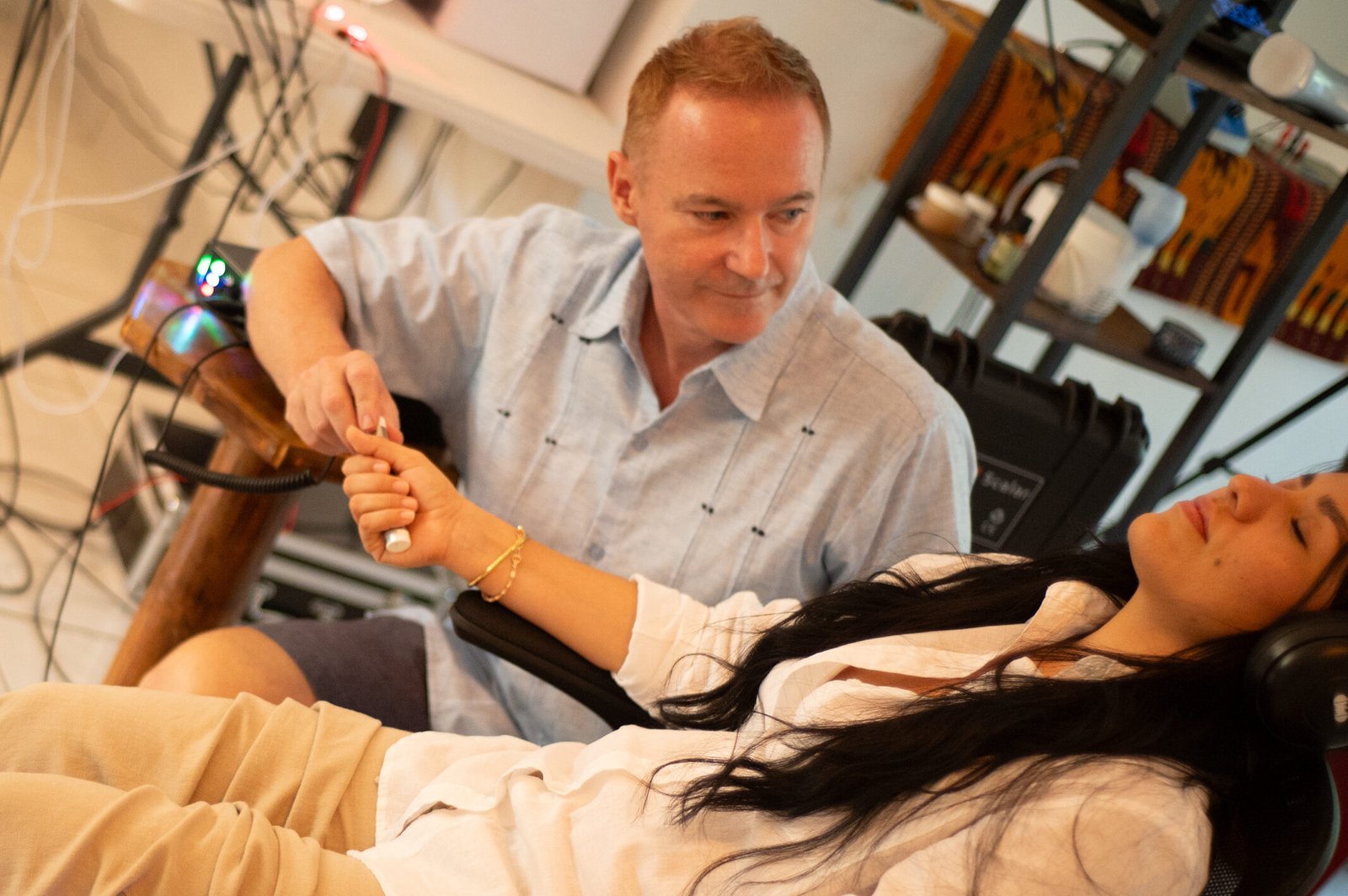
Trauma Release Session Practitioner holding the client for meridians on the wrist.

How the process works
- Intake + boundaries: what you want, what you don’t want, and your safety parameters.
- Body signal mapping: identify the trigger loop as a present-time pattern.
- Regulation sequence: guided micro-steps (consent-led, paced) to reduce charge.
- Integration: practical “next 72 hours” support so change consolidates safely.
What you get
- 1:1 guided coaching session (online or in-person)
- Consent-based pacing and clear stop signals
- Integration guidance for sleep, stress, and daily stability
- Recommendations for additional support when appropriate
Good fit if you want
- Somatic trauma release without heavy storytelling
- Nervous system regulation coaching for daily performance
- Practical tools + calm, structured sessions
Common starting points
- Trigger reactivity or shutdown patterns
- Difficulty settling after stress
- Sleep disruption during pressure cycles
Not a fit if
- You need urgent crisis support
- You want medical diagnosis or treatment
- You want guarantees or fixed timelines
When patterns thaw, choices return
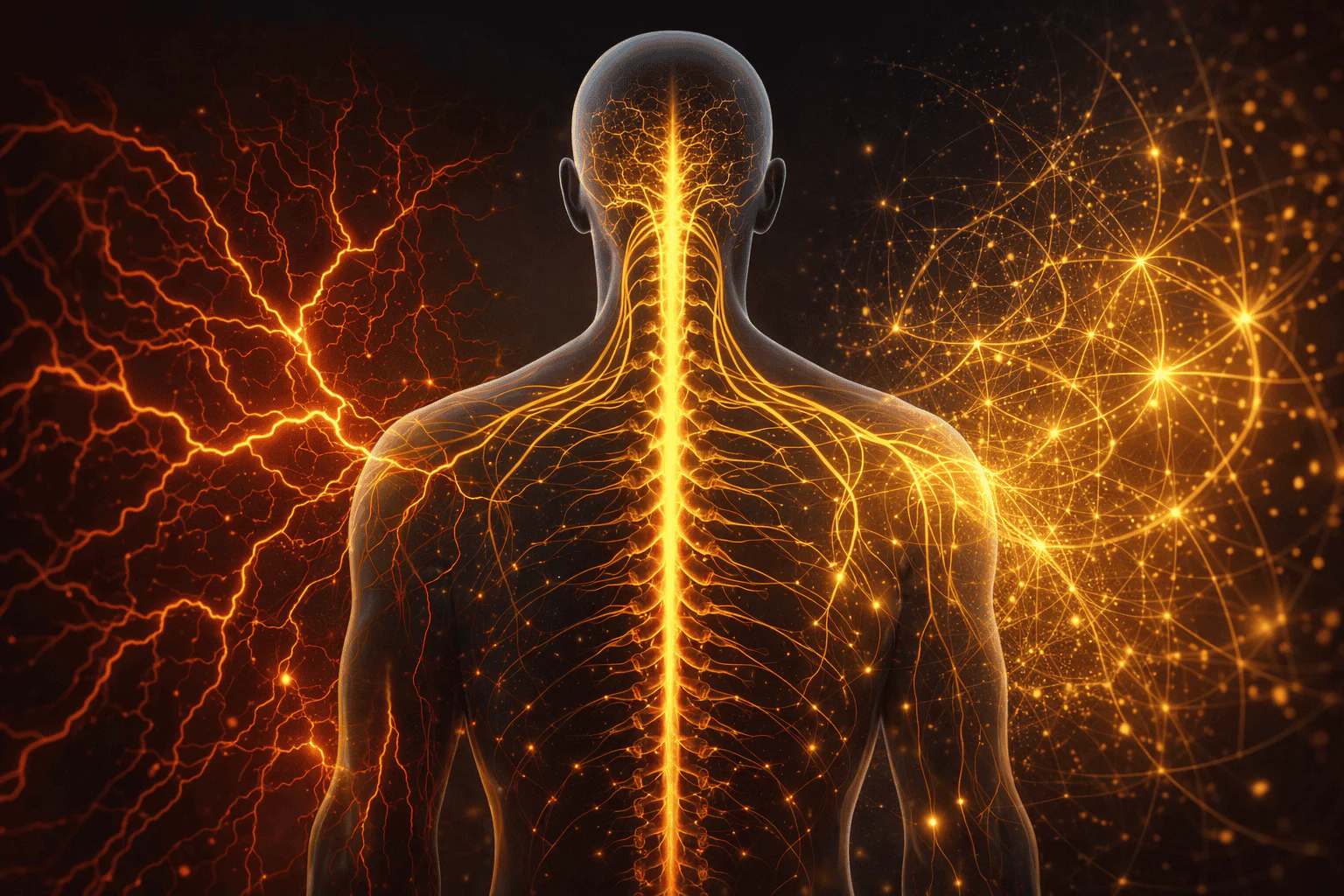
These images are symbolic. They help describe lived experience—suppressed emotion, inherited stress patterns, and the shift into steadier regulation. They do not represent diagnosis or medical treatment.


Safety & Ethics
Natoorales provides coaching and education, not medical or mental health care. We do not diagnose, treat, cure, prescribe, or advise stopping medications. If you experience severe symptoms, feel unsafe, or are in crisis, seek urgent help from local emergency services or a licensed professional.
Educational references: NIMH overview of PTSD • Research review on Somatic Experiencing • Harvard Health: somatic therapy
Related Reading
Explore nervous system regulation patterns and trauma-informed integration. Shared as education + coaching (non-medical) — a framework for insight, not diagnosis.
FAQ
Is this therapy or medical treatment?
No. Natoorales provides coaching and education. We don’t diagnose, treat, cure, prescribe, or advise medication changes.
Do I have to relive or retell the event?
No. We work with present-moment body signals and stress-response patterns. You control pacing, boundaries, and how much you share.
What happens in the first session?
We set consent boundaries, identify your current trigger loop as a body pattern, and guide a paced regulation sequence. You leave with simple integration steps for the next 72 hours.
How do I know if I’m a good fit?
This is a strong fit if you want calm, structured, body-based coaching (not heavy storytelling), and you’re willing to practice small regulation skills between sessions.
Is this available online or in person?
Both. We offer 1:1 sessions online and in-person when available. Your intake determines the safest pacing and format.
How many sessions do I need?
It varies. Some people feel meaningful change quickly; others prefer a series to build stability and integration. We recommend the safest next step after your intake.
What might I notice after a session?
Many people report a calmer baseline, fewer reactive spikes, or improved sleep. Others notice changes gradually as regulation capacity builds. No outcomes are guaranteed.
What if I’m in crisis or feel unsafe?
If you’re in crisis, feel unsafe, or have severe symptoms, seek urgent support from local emergency services or a licensed professional first. Coaching is not emergency or clinical care.